Giving GREAT Academic Presentations: PRAYTICIPATE training school, University of St Andrews, 18–20 June 2025
Prof. Kathryn Rudy
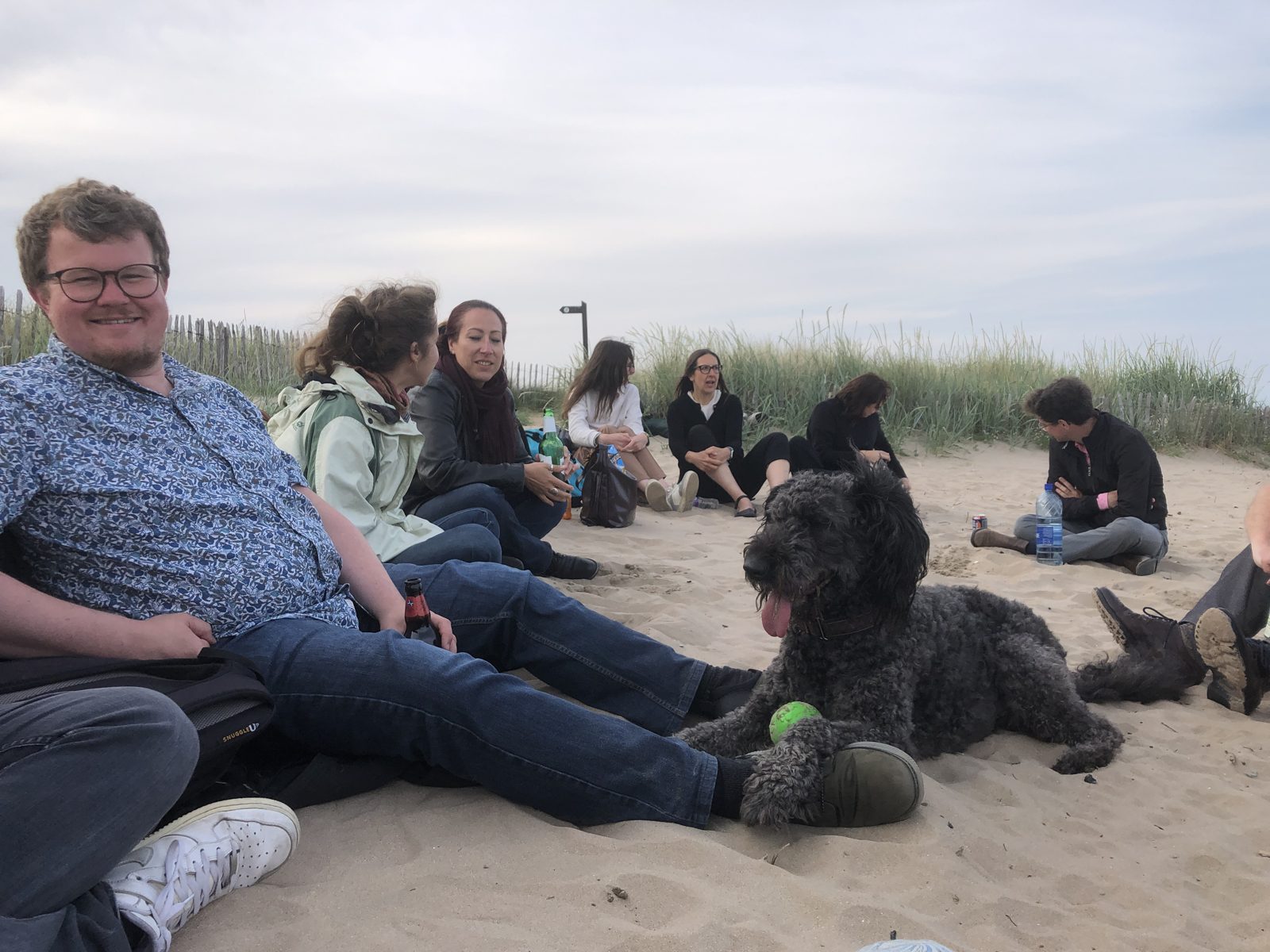
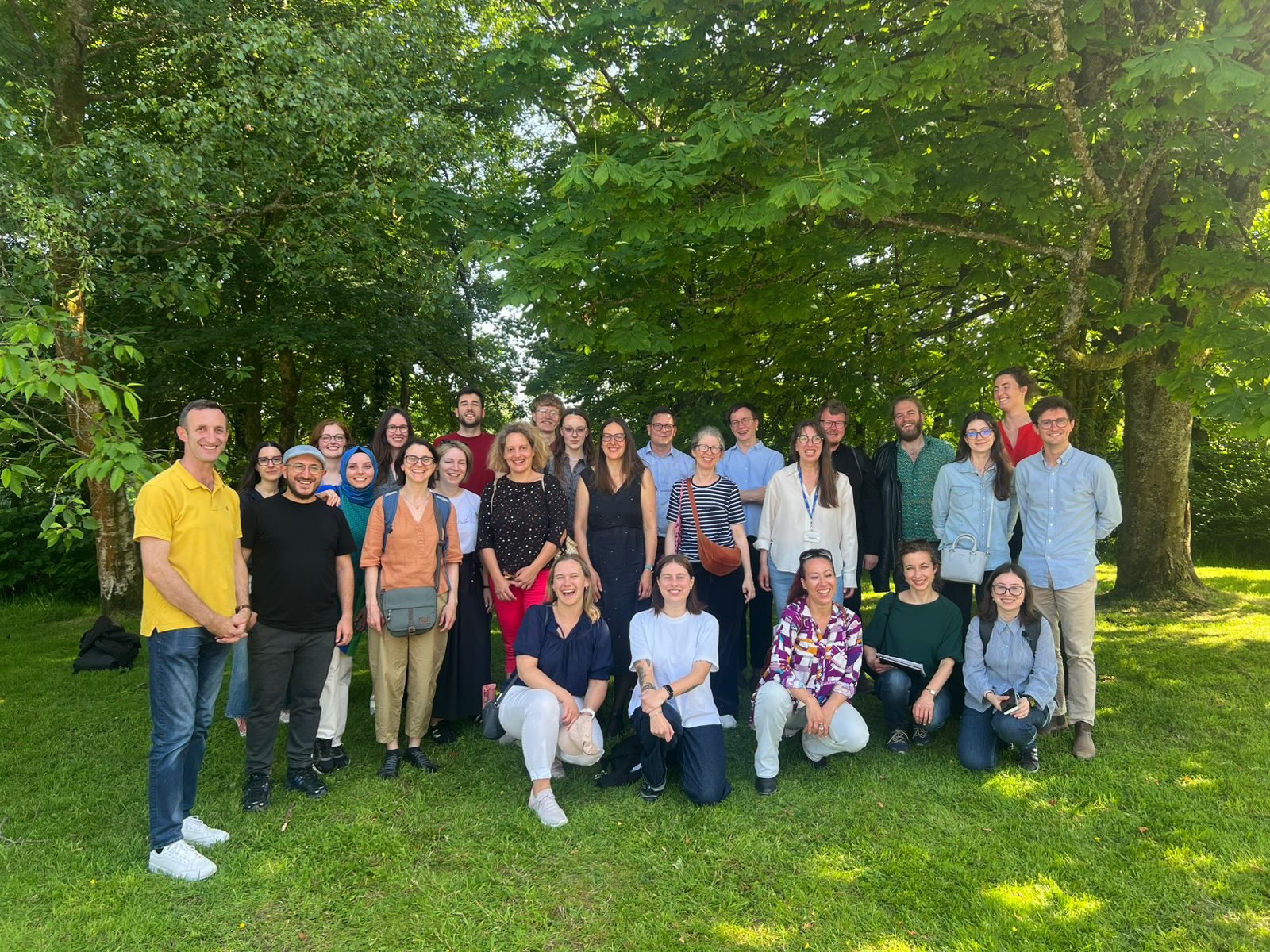
Keeping the audience enthralled is a skill, not a gift. It can be learned. Kathryn Rudy organised this training school for the Action and led the sessions with senior members of the Action, and twenty-eight people from Albania, Croatia, the Czech Republic, Estonia, France, Germany, Greece, the Netherlands, Romania, Serbia, Spain, Switzerland, Türkiye, Ukraine and the United Kingdom signed the attendance list. Participants arrived on Tuesday 17 June, lived together in the University’s David Russell Apartments, and met in the Arts Building, a few metres from the beach.
Prof. Robert Bartlett CBE, FBA, who has created multiple BBC television programs about medieval topics, opened the workshop with a lecture titled ‘Presenting the Middle Ages’. He generously answered questions about every aspect of presenting ideas publicly, and he warned the audience in stern terms: Never go over time!
For two days participants learned techniques of delivery: coming across as relaxed, clear and confident consistently, projecting a natural style under pressure, holding the listener’s attention, maintaining eye contact, and controlling adrenalin. We practiced by honing our one-minute elevator pitches.
The training moved from the speaker to the story to the slide. On Wednesday, participants practised coming across as relaxed, clear and confident under pressure, delivered a one-minute elevator pitch, and learned to prepare with prompts and scripts and to manage their time. On Thursday they worked on structure: knowing the audience, setting out the key issues and the evidence, opening and closing well, and handling questions. The afternoon then turned to visual aids, asking each slide to earn its place and to steer the audience’s reading of it.
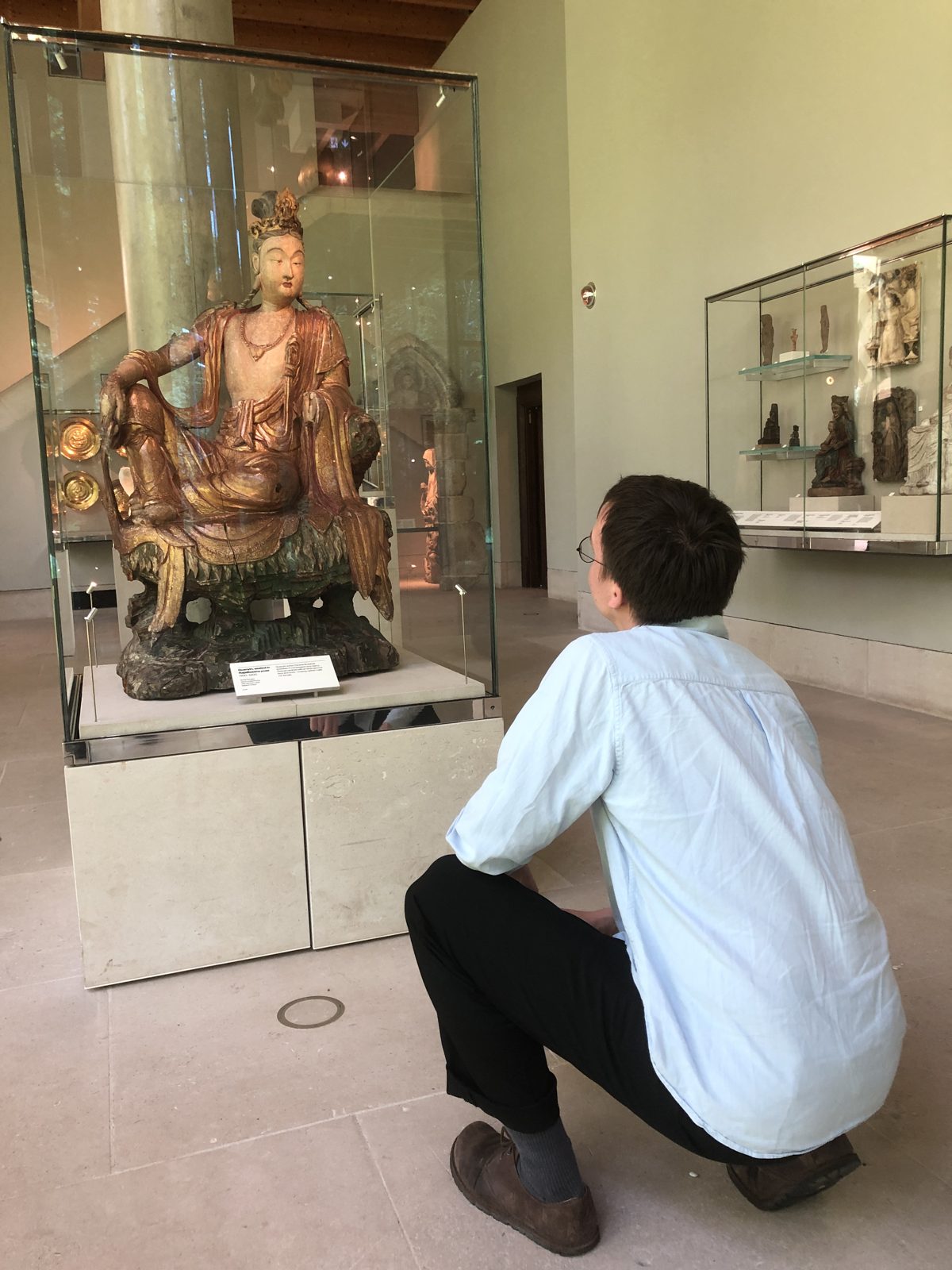
On Friday the group travelled by coach to the Burrell Collection in Glasgow, which holds a large medieval wing, to give short talks in front of real objects. Before the trip, each participant chose two objects made before 1550 that were on view, studied each for ten minutes, and jotted half a page of notes on it; a morning session on gallery talks, an hour of individual preparation and an afternoon of practice presentations followed. Participants practiced their skills while walking on the beach in small groups during the long Scottish summer evenings.